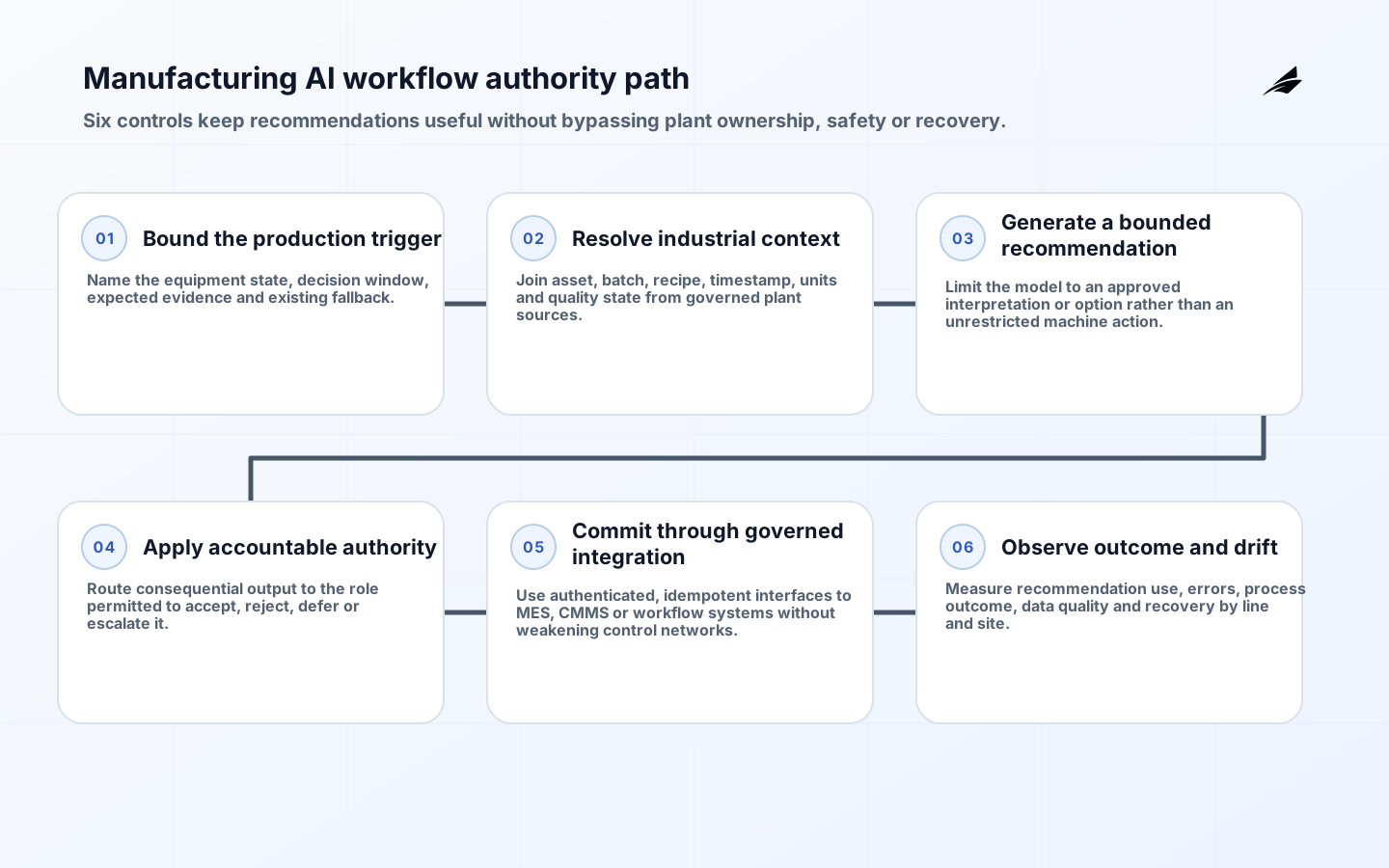
Manufacturing AI workflow automation must respect a boundary that ordinary office automation does not have: recommendations can influence equipment, material, quality, worker safety, and production continuity. The right first use case is therefore a bounded operations decision with known source systems, named human authority, and a safe degraded mode. This checklist follows the path from production problem to monitored deployment without treating a model as part of the control loop by default. The primary planning lens is manufacturing AI workflow automation, with decisions expressed in language that product users and operating teams can verify.
Nearby planning resources include AI Workflow Automation Services for Manufacturing: Scope, Cost, Risks and Delivery Plan, AI Workflow Automation Services for Manufacturing FAQ, AI Workflow Automation Services for Startups: Scope, Cost, Risks and Delivery Plan, AI Workflow Automation Services for Startups Implementation Checklist. Those pages provide companion scope and checklist views; this article develops the technical and operating evidence for the topic here.
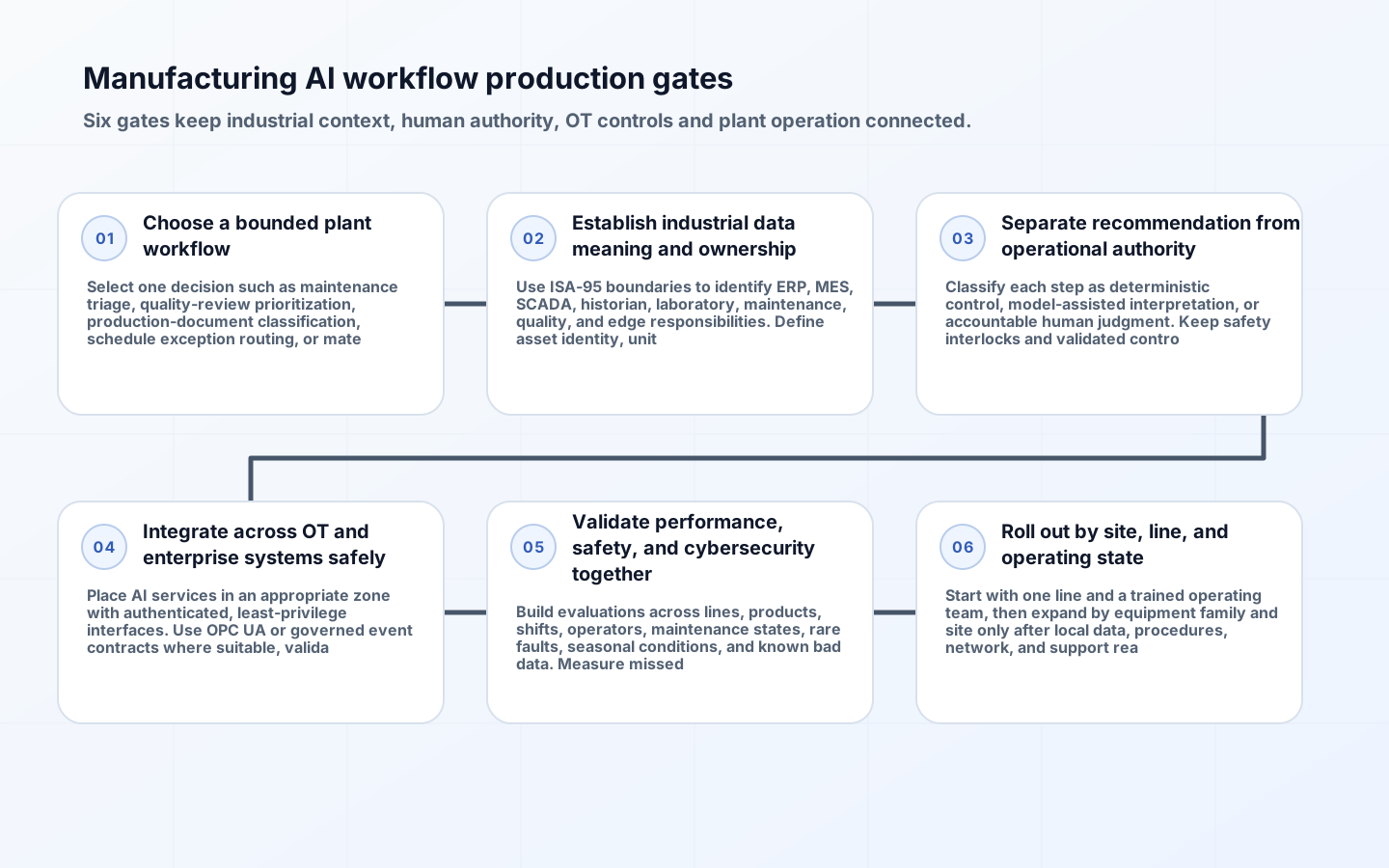
Choose a bounded plant workflow
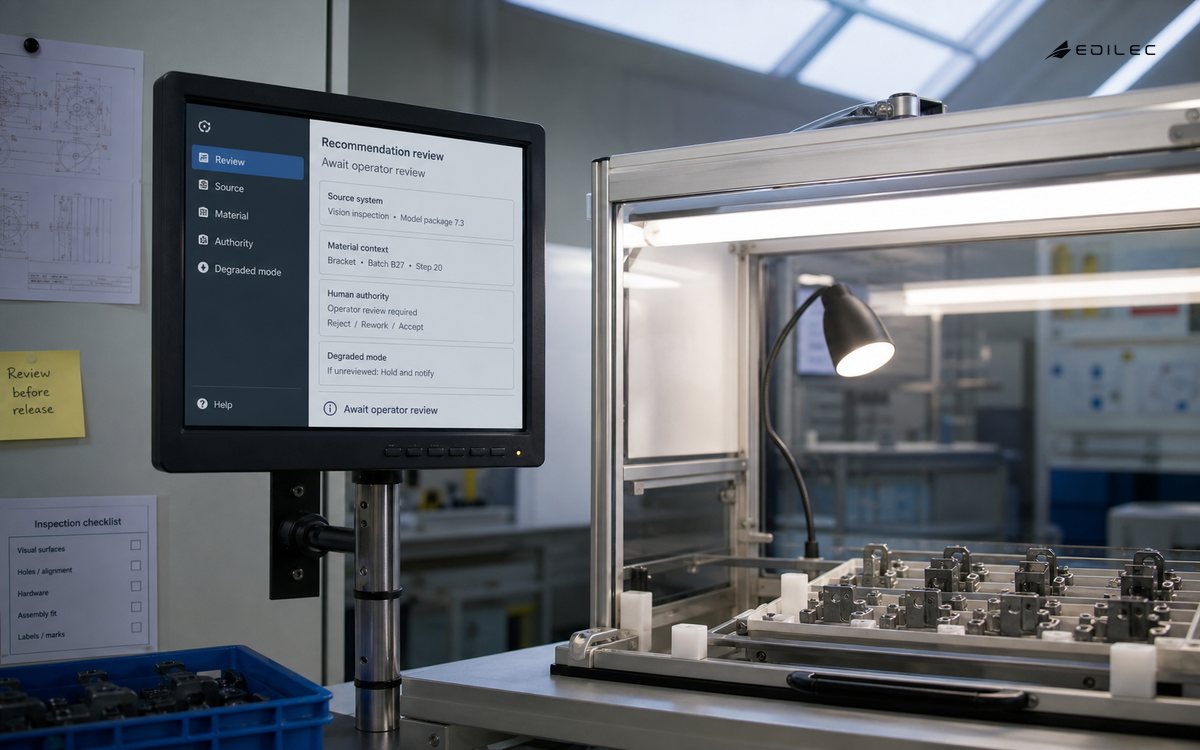
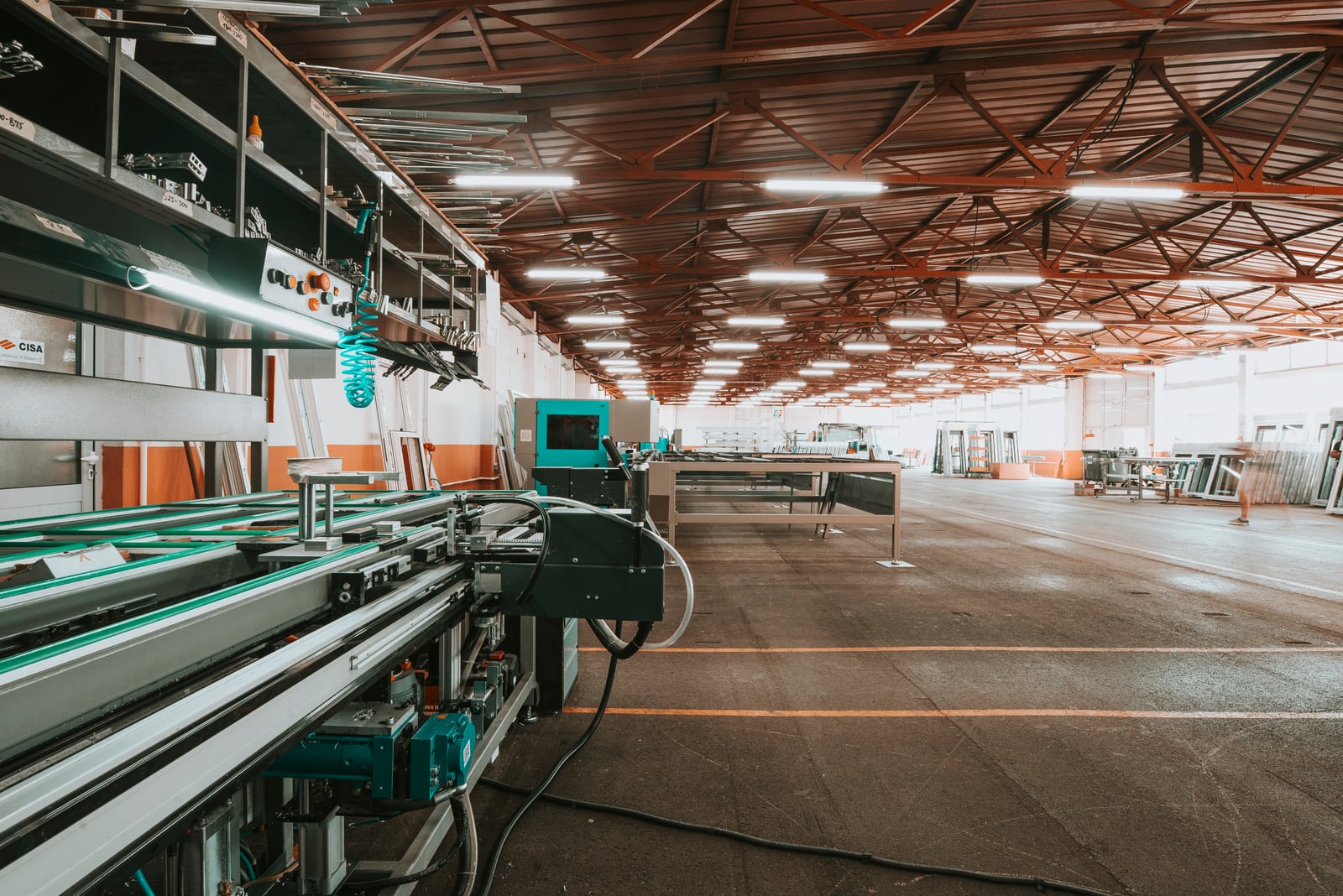
Select one decision such as maintenance triage, quality-review prioritization, production-document classification, schedule exception routing, or material discrepancy investigation. Map the triggering event, shift role, production state, required evidence, permitted recommendation, escalation, and latency tolerance.
Observe the work on representative shifts and sites. Record manual workarounds, union or safety procedures, approval limits, and what happens when the MES, historian, sensor feed, or model is unavailable. A broad objective such as optimize the factory conceals different consequences; an inaccurate summary is not equivalent to an unsafe machine command.
Establish industrial data meaning and ownership
Use ISA-95 boundaries to identify ERP, MES, SCADA, historian, laboratory, maintenance, quality, and edge responsibilities. Define asset identity, units, timestamps, batch or lot context, operating state, quality status, and correction ownership before training or retrieval.
Profile sensor drift, delayed tags, maintenance overrides, duplicated events, planned downtime, product changeovers, and missing genealogy. Preserve provenance from the source value through any feature or summary presented to an operator. A high model score built on misaligned timestamps or ambiguous equipment identifiers can automate the wrong production context.
| Decision area | Required decision | Acceptance evidence |
|---|---|---|
| Choose a bounded plant workflow | Select one decision such as maintenance triage, quality-review prioritization, production-document classification, schedule exception routing, or material discrepancy investigation. Map the triggering event, shift role, production state, required evidence, permitted recommendation, escalation, and latency tolerance. | Observe the work on representative shifts and sites. Record manual workarounds, union or safety procedures, approval limits, and what happens when the MES, historian, sensor feed, or model is unavailable. |
| Establish industrial data meaning and ownership | Use ISA-95 boundaries to identify ERP, MES, SCADA, historian, laboratory, maintenance, quality, and edge responsibilities. Define asset identity, units, timestamps, batch or lot context, operating state, quality status, and correction ownership before training or retrieval. | Profile sensor drift, delayed tags, maintenance overrides, duplicated events, planned downtime, product changeovers, and missing genealogy. Preserve provenance from the source value through any feature or summary presented to an operator. |
| Separate recommendation from operational authority | Classify each step as deterministic control, model-assisted interpretation, or accountable human judgment. Keep safety interlocks and validated control logic outside the model. Constrain the system to read, rank, draft, or route unless a formal hazard and controls review justifies more. | Display source records, time range, production context, confidence limitations, and the reason for escalation. Give operators authority to reject without bypassing established work permits or quality holds. |
Separate recommendation from operational authority
Classify each step as deterministic control, model-assisted interpretation, or accountable human judgment. Keep safety interlocks and validated control logic outside the model. Constrain the system to read, rank, draft, or route unless a formal hazard and controls review justifies more.
Display source records, time range, production context, confidence limitations, and the reason for escalation. Give operators authority to reject without bypassing established work permits or quality holds. Human approval is ineffective when the reviewer cannot inspect the underlying tag, lot, alarm, maintenance history, or applicable procedure.
Integrate across OT and enterprise systems safely
Place AI services in an appropriate zone with authenticated, least-privilege interfaces. Use OPC UA or governed event contracts where suitable, validate schemas, preserve idempotency, and route writes through deterministic application services rather than direct PLC or controller access.
Test network segmentation, store-and-forward behavior, stale-data rejection, duplicate events, clock drift, unavailable edge gateway, and loss of cloud connectivity. Align support with plant maintenance windows and vendor constraints. An integration that works in a lab can flood a broker, replay stale events, or create an unsupported path into operational technology.
| Control area | Failure to prevent | Production proof |
|---|---|---|
| Integrate across OT and enterprise systems safely | An integration that works in a lab can flood a broker, replay stale events, or create an unsupported path into operational technology. | Test network segmentation, store-and-forward behavior, stale-data rejection, duplicate events, clock drift, unavailable edge gateway, and loss of cloud connectivity. Align support with plant maintenance windows and vendor constraints. |
| Validate performance, safety, and cybersecurity together | Averages can conceal a failure concentrated in one product family, sensor revision, shift practice, or abnormal operating state. | Run shadow mode before advisory use. Conduct threat modeling for prompt injection, compromised data sources, stolen service credentials, and excessive agency. Define stop conditions with production, safety, quality, and security owners. |
| Roll out by site, line, and operating state | Scaling a pilot centrally without local commissioning can create silent variation and unsupported nighttime or weekend operation. | Track adoption, override reasons, queue age, false escalation, confirmed findings, unplanned downtime, quality impact, service latency, and fallback use. Revalidate after model, process, equipment, recipe, or data-source changes. |
Validate performance, safety, and cybersecurity together
Build evaluations across lines, products, shifts, operators, maintenance states, rare faults, seasonal conditions, and known bad data. Measure missed critical cases, nuisance recommendations, review effort, latency, and downstream quality or downtime rather than generic accuracy alone.
Run shadow mode before advisory use. Conduct threat modeling for prompt injection, compromised data sources, stolen service credentials, and excessive agency. Define stop conditions with production, safety, quality, and security owners. Averages can conceal a failure concentrated in one product family, sensor revision, shift practice, or abnormal operating state.
Roll out by site, line, and operating state
Start with one line and a trained operating team, then expand by equipment family and site only after local data, procedures, network, and support readiness are checked. Freeze risky changes during critical campaigns or peak production.
Track adoption, override reasons, queue age, false escalation, confirmed findings, unplanned downtime, quality impact, service latency, and fallback use. Revalidate after model, process, equipment, recipe, or data-source changes. Scaling a pilot centrally without local commissioning can create silent variation and unsupported nighttime or weekend operation.
Evidence manufacturing leaders should require
Require a signed workflow boundary, ISA-95 system map, source-tag and asset dictionary, model and rule versions, operator review design, OT threat model, shadow-mode results, fail-safe behavior, support rota, and rollback procedure. Production and quality owners should approve the operational outcome; controls engineers should confirm that safety logic remains independent; cybersecurity should approve zones, identities, and remote dependencies.
Commission the deployment during representative operations. Rehearse stale historian data, lost OPC UA session, model timeout, duplicate event, incorrect asset mapping, operator rejection, edge isolation, and incident reconstruction. The release passes only when the plant can continue safely without the AI service and when telemetry identifies whether failure began in instrumentation, integration, model behavior, or workflow handling.
Taken together, the decision for manufacturing AI workflow automation must connect choose a bounded plant workflow, establish industrial data meaning and ownership, separate recommendation from operational authority, integrate across ot and enterprise systems safely, validate performance, safety, and cybersecurity together, roll out by site, line, and operating state. The release review should show which owner accepts each decision, where its source evidence is stored, which threshold blocks production, and how a failed dependency or incorrect result is contained. It should also explain how changes to data, policy, integrations, identities, customer scope, or software versions trigger renewed testing. That linkage matters because controls assessed independently can still conflict in operation: a secure interface may carry stale data, a reliable service may enforce the wrong authority, and a useful workflow may become uneconomic when review or support demand rises. Record these dependencies as maintained product artifacts, not one-time project notes, so later operators can distinguish an approved constraint from an accidental behavior.
The control chain starts with choose a bounded plant workflow: Select one decision such as maintenance triage, quality-review prioritization, production-document classification, schedule exception routing, or material discrepancy investigation. Map the triggering event, shift role, production state, required evidence, permitted recommendation, escalation, and latency tolerance. Evidence must explicitly guard against A broad objective such as optimize the factory conceals different consequences; an inaccurate summary is not equivalent to an unsafe machine command. Next, establish industrial data meaning and ownership: Use ISA-95 boundaries to identify ERP, MES, SCADA, historian, laboratory, maintenance, quality, and edge responsibilities. Define asset identity, units, timestamps, batch or lot context, operating state, quality status, and correction ownership before training or retrieval. Evidence must explicitly guard against A high model score built on misaligned timestamps or ambiguous equipment identifiers can automate the wrong production context. Next, separate recommendation from operational authority: Classify each step as deterministic control, model-assisted interpretation, or accountable human judgment. Keep safety interlocks and validated control logic outside the model. Constrain the system to read, rank, draft, or route unless a formal hazard and controls review justifies more. Evidence must explicitly guard against Human approval is ineffective when the reviewer cannot inspect the underlying tag, lot, alarm, maintenance history, or applicable procedure. Next, integrate across ot and enterprise systems safely: Place AI services in an appropriate zone with authenticated, least-privilege interfaces. Use OPC UA or governed event contracts where suitable, validate schemas, preserve idempotency, and route writes through deterministic application services rather than direct PLC or controller access. Evidence must explicitly guard against An integration that works in a lab can flood a broker, replay stale events, or create an unsupported path into operational technology. Next, validate performance, safety, and cybersecurity together: Build evaluations across lines, products, shifts, operators, maintenance states, rare faults, seasonal conditions, and known bad data. Measure missed critical cases, nuisance recommendations, review effort, latency, and downstream quality or downtime rather than generic accuracy alone. Evidence must explicitly guard against Averages can conceal a failure concentrated in one product family, sensor revision, shift practice, or abnormal operating state. Next, roll out by site, line, and operating state: Start with one line and a trained operating team, then expand by equipment family and site only after local data, procedures, network, and support readiness are checked. Freeze risky changes during critical campaigns or peak production. Evidence must explicitly guard against Scaling a pilot centrally without local commissioning can create silent variation and unsupported nighttime or weekend operation. Reading these checks as one chain prevents a local pass from hiding an end-to-end failure. The accountable owners should review the chain after any material incident or change and record whether the original assumptions, thresholds, and fallback remain valid.
Implementation takeaways
- Automate a bounded operations decision, not a vague factory objective.
- Keep safety and deterministic control independent from model output.
- Validate industrial semantics, timing, and provenance before model quality.
- Commission each site and equipment family under local procedures.
- Measure production consequences and operator burden, not model activity.
Frequently asked questions
| Question | Answer |
|---|---|
| Can AI write directly to a PLC? | That should not be a default design. Keep validated safety and control functions deterministic, and require a formal hazard, security, and authority review for any consequential write. |
| What is a suitable first workflow? | A frequent, measurable, reversible decision such as triage or document classification with reliable data and trained human review. |
| How should shadow mode work? | Generate recommendations without affecting production, compare them with actual decisions and outcomes, and inspect errors across shifts, lines, and operating states. |
| When is another site ready? | After local data mappings, procedures, network boundaries, staffing, fallback, and acceptance thresholds are verified. |
Conclusion
Manufacturing AI workflow automation earns production trust when plant staff can trace every recommendation to current industrial context and retain authority over consequential action. Standards such as ISA-95 and OPC UA help organize exchange, while NIST guidance keeps AI risk and OT security in the same decision.
A successful release is not the model running against factory data. It is a bounded service that survives stale signals, lost connectivity, abnormal production, operator rejection, and security incidents without compromising safe operation. Expand only when that evidence remains stable at the next line or site.