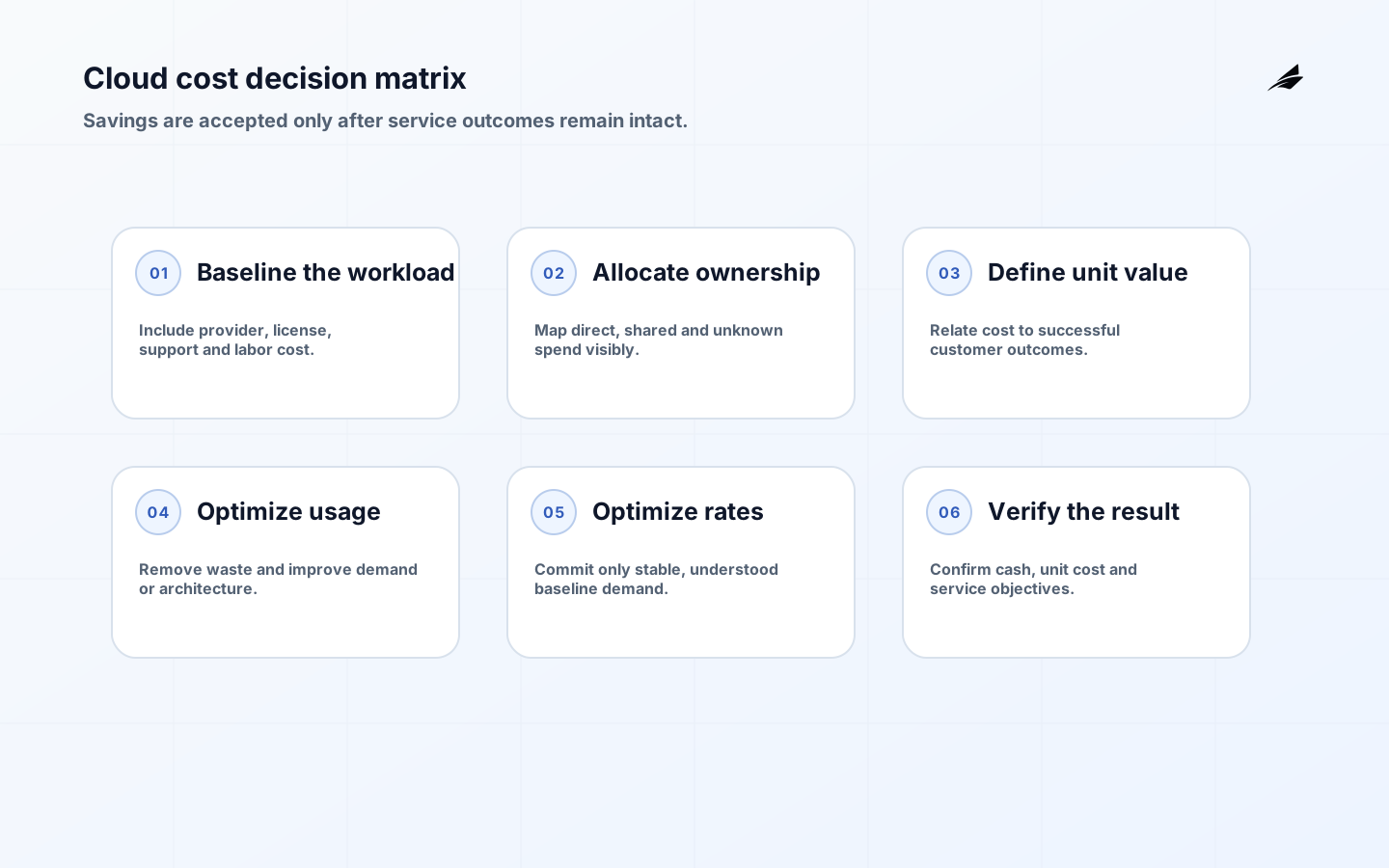
Cost-efficient cloud solutions deliver the required customer outcome, reliability, security and change speed at a sustainable total cost. They are not simply the lowest monthly bill. Cloud spend reflects architecture, demand, pricing, data movement, software behavior, operational labor and commercial commitments. Effective optimization makes those drivers visible to the people who can change them, evaluates tradeoffs and verifies that savings persist without moving cost or risk somewhere less visible.
Use this FAQ with Edilec's cloud cost scope and economics guide and cost-efficient implementation checklist. The cloud solutions and software guide helps connect infrastructure choices to application design. Start with one material workload rather than a generic target to cut a percentage from the bill.
What should a cloud cost baseline include?
Define the workload, owner, environments, user journeys, service objectives, demand profile, data lifecycle and current architecture. Capture invoiced and amortized provider charges, discounts, credits, support, observability, security tooling, licenses, network egress, backup, disaster recovery and material engineering or support labor. Normalize one-off migration cost separately. State the time window and accounting view so teams do not compare list price with a discounted invoice or cash payment with amortized commitment.
Allocate spend to products, teams, environments and owners using accounts, projects, subscriptions, resource groups, labels and derived billing rules. The FinOps Framework allocation capability includes direct and shared-cost strategies. Report unallocated spend explicitly; distributing unknown cost invisibly creates false precision. Enforce required metadata at provisioning and maintain a correction path for services that cannot carry labels.
| Cost view | Question answered | Required context | Owner action |
|---|---|---|---|
| Workload total | What does the service cost? | Amortized direct and shared cost | Prioritize material drivers |
| Environment | Where is nonproduction waste? | Purpose and schedule | Stop, resize or make ephemeral |
| Service category | Which architecture layer dominates? | Usage and rate | Change design or pricing |
| Unit cost | Does efficiency improve with demand? | Business volume and quality | Tune product or architecture |
| Forecast | What will planned change cost? | Growth, releases and commitments | Fund or reshape plan |
How should unit economics be chosen?
Choose a unit that represents value delivered: successful transaction, active tenant, processed document, completed job or retained customer. Pair it with technical driver units such as requests, compute time, gigabytes stored or tokens. FinOps Foundation's unit economics guidance connects technology cost with organizational value. Document formula, sources, exclusions and quality; a unit that changes definition whenever the result is inconvenient cannot guide decisions.
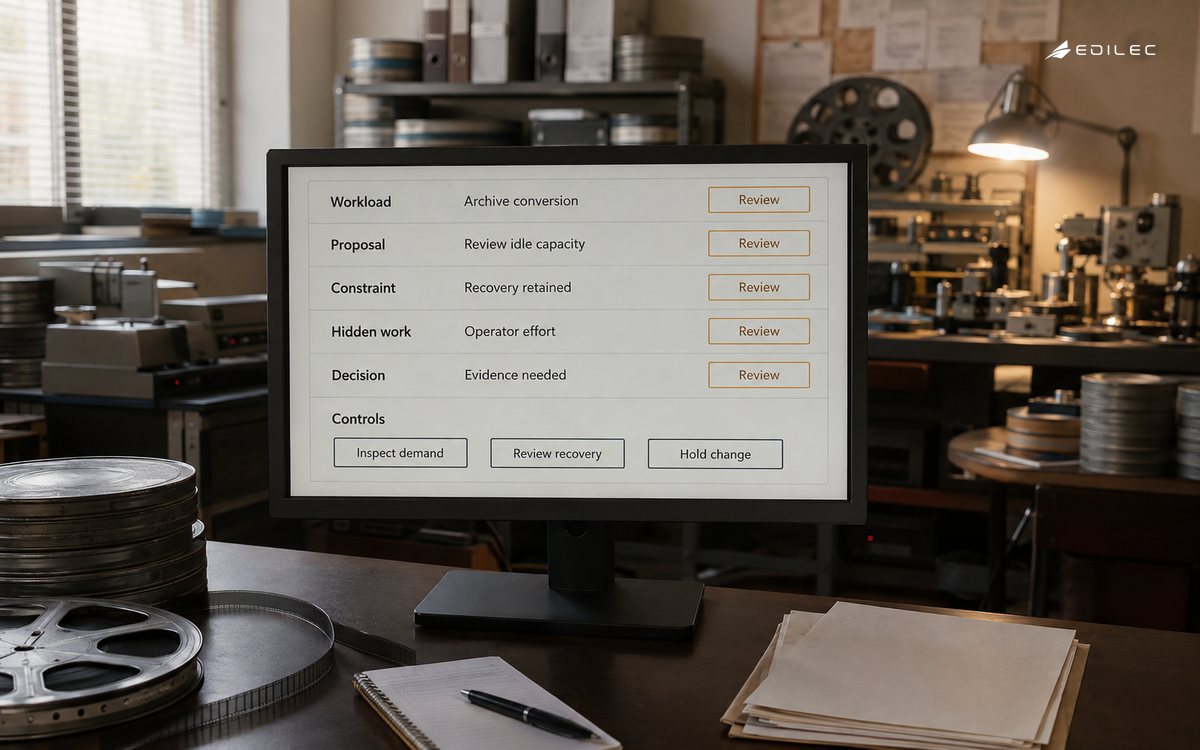
Segment by workload shape and customer tier where averages hide cross-subsidy. Include failure and retry cost: cost per request can look efficient while cost per successful outcome rises. Track margin and service objectives beside unit cost. A cheaper transaction that increases latency, abandonment or operator work may reduce value. Establish a baseline and expected response to scale so teams can distinguish healthy growth from an architectural cost curve that worsens with demand.
Which usage changes usually create safe savings?
Remove abandoned resources, expired snapshots, idle development environments and duplicate telemetry after confirming ownership and retention. Schedule nonproduction where business use permits. Rightsize from observed distributions and service objectives, not average utilization alone. Tune autoscaling minimums, maximums, cooldown and queue signals. Match storage class and retention to access and recovery needs. Reduce retries, excessive polling, inefficient queries, oversized payloads and unnecessary data movement in application code.
Use architecture to regulate demand: caching with correct invalidation, asynchronous work, batching, compression, lifecycle policies, backpressure and request limits. Consider serverless, containers, managed databases and dedicated capacity according to load shape and operational skill, not fashion. Google Cloud's cost optimization pillar and other provider frameworks stress governance and continuous optimization across architecture. Validate changes under representative traffic and failure.
When should commitments and discounted rates be used?
Optimize usage before locking in rates, then base commitments on stable, well-understood demand below a conservative baseline. Model term, payment option, scope flexibility, coverage, utilization, break-even, planned migrations and organizational growth. Assign an owner for purchase and ongoing consumption. A nominal discount is not a saving when the commitment is unused or prevents a valuable architecture change. Keep some demand flexible for experiments, bursts and uncertain workloads.
Review software licenses, support tiers and marketplace purchases together with compute commitments. Confirm portability and double-charging risk. Separate negotiated rate variance from engineering efficiency so each team gets an actionable signal. Forecast expiry and renewal early. Commitments should follow an approved workload roadmap, not become pressure to consume capacity because it was already purchased. Document exit and transfer implications for provider-specific commercial arrangements.
| Optimization | Expected benefit | Tradeoff to test | Proof after change |
|---|---|---|---|
| Rightsizing | Lower idle compute | Tail latency and failover headroom | Objectives hold at peak |
| Storage lifecycle | Lower retained-data cost | Restore time and access fee | Recovery exercise passes |
| Commitment | Lower stable-demand rate | Lock-in and utilization | Amortized saving realized |
| Caching | Fewer backend calls | Staleness and invalidation | Correctness and hit rate |
| Telemetry reduction | Lower ingestion and retention | Incident visibility | Detection and diagnosis exercise |
How should cost guardrails work?
Set budget and anomaly routes by accountable scope. Alerts should include owner, driver, forecast impact and next action. Prevent clearly invalid provisioning with policy: prohibited regions, unapproved premium SKUs, missing ownership, excessive retention or public resources. Use quotas and service limits deliberately, with an exception route and expiry. A budget alert that goes only to finance after month-end is reporting, not operational control.
Integrate estimates into architecture and pull-request review for material changes. Test infrastructure policies and retain evidence of approval. Microsoft's cost optimization principles emphasize total cost, usage, rates and continuing optimization while balancing cross-cutting concerns. Give engineers current cost and utilization context in their normal tools. Avoid individual blame for shared architecture or centrally negotiated charges.
How can teams avoid harmful cost cutting?
Every recommendation should state affected service objective, security control, recovery target, performance envelope, operational effort and rollback. Deleting backups, reducing redundancy, lowering log retention or constraining capacity may save money while increasing expected loss. Compare the saving with incident likelihood and consequence, regulatory or contractual duties and recovery evidence. Maintain protected minimums for essential controls and route exceptions through the relevant owner.
The AWS cost optimization pillar sits beside reliability, security, performance efficiency, operational excellence and sustainability for good reason. Run load, failover, restore, security and observability checks after consequential changes. Use staged rollout and reversible configuration. If savings depend on responders doing more manual work during every incident, include that labor and increased recovery time in the business case.
What operating cadence keeps savings durable?
Review anomalies and failed controls daily where material, workload drivers and forecast weekly, and unit economics and commitments monthly. Hold a quarterly architecture review for the largest cost curves and upcoming product changes. Maintain an optimization backlog with baseline, expected saving, engineering effort, risk, owner, approval and measurement date. Close an item only after the invoice and service signals confirm the result; provider recommendation acceptance alone is not evidence.
Track allocation coverage, forecast variance, anomaly response, commitment utilization and coverage, idle cost, optimization realization, unit cost and service objectives. Distinguish avoided future cost from cash saving and one-time credits from structural improvement. Share wins with method and tradeoffs so patterns can be reused. Retire reports nobody acts on. The cloud innovation scope guide helps frame spend where experimentation rather than steady-state efficiency is the goal.
Worked example: optimize a document-processing service
Suppose a service processes customer documents through object storage, a queue, compute workers, a database and an external extraction API. The bill rises 45 percent while completed documents rise 20 percent. Allocation shows storage is stable, external API calls doubled and worker compute rose because failed jobs retry the entire pipeline. The useful unit is cost per successfully accepted document, segmented by file type and customer tier, not cost per API call.
The team first fixes an idempotency defect and validates input before the paid extraction call. It stores intermediate results with an expiry, retries only the failed stage and caps repeated attempts. A larger commitment would have discounted compute but left the dominant external-call waste untouched. Load and failure tests confirm completion time and recovery objectives, then a limited cohort shows lower retries without accuracy regression. The invoice later confirms cash saving while the unit metric proves the saving survives demand growth.
The decision record separates three effects: direct API reduction, avoided future worker growth and one-time engineering cost. It also notes a slight storage increase from temporary intermediate results and verifies lifecycle deletion. Product, engineering and finance agree on a monthly variance threshold and an alert when retries per accepted document rise. This example shows why architecture, quality and cost must be reviewed together: the largest opportunity was a correctness defect expressed as spend.
Cost-efficient cloud solutions FAQ
Does multi-cloud reduce cost?
Not automatically. It can improve sourcing leverage or fit specific capabilities, but duplicates skills, networking, identity, controls and operations. Model the complete workload and organization cost and use multiple providers only for a defined requirement.
Is serverless always cheaper?
No. It can be efficient for variable or event-driven workloads and reduce operations, while sustained high volume, data transfer or platform limits may favor other models. Compare at representative demand with labor and service objectives included.
Is FinOps a finance function?
FinOps is a collaborative operating practice. Finance contributes accounting and planning, engineering changes architecture and usage, product defines value and leadership resolves tradeoffs. A central team can enable the practice but cannot own every workload decision.
Key takeaways
- Baseline complete workload cost and allocate it to people who can act.
- Use customer-linked unit economics alongside technical cost drivers.
- Optimize waste, demand and architecture before purchasing commitments.
- Test reliability, security, recovery and labor tradeoffs for every saving.
- Verify realized savings and service outcomes through a recurring cadence.
Conclusion: optimize value, not the invoice in isolation
Cost-efficient cloud solutions emerge from visible ownership, thoughtful architecture and repeated verification. Connect spend to a workload and value unit, change the largest controllable drivers, use rates for stable demand and preserve essential service controls. That approach produces durable efficiency rather than a short-lived bill reduction followed by reliability debt or hidden manual cost.