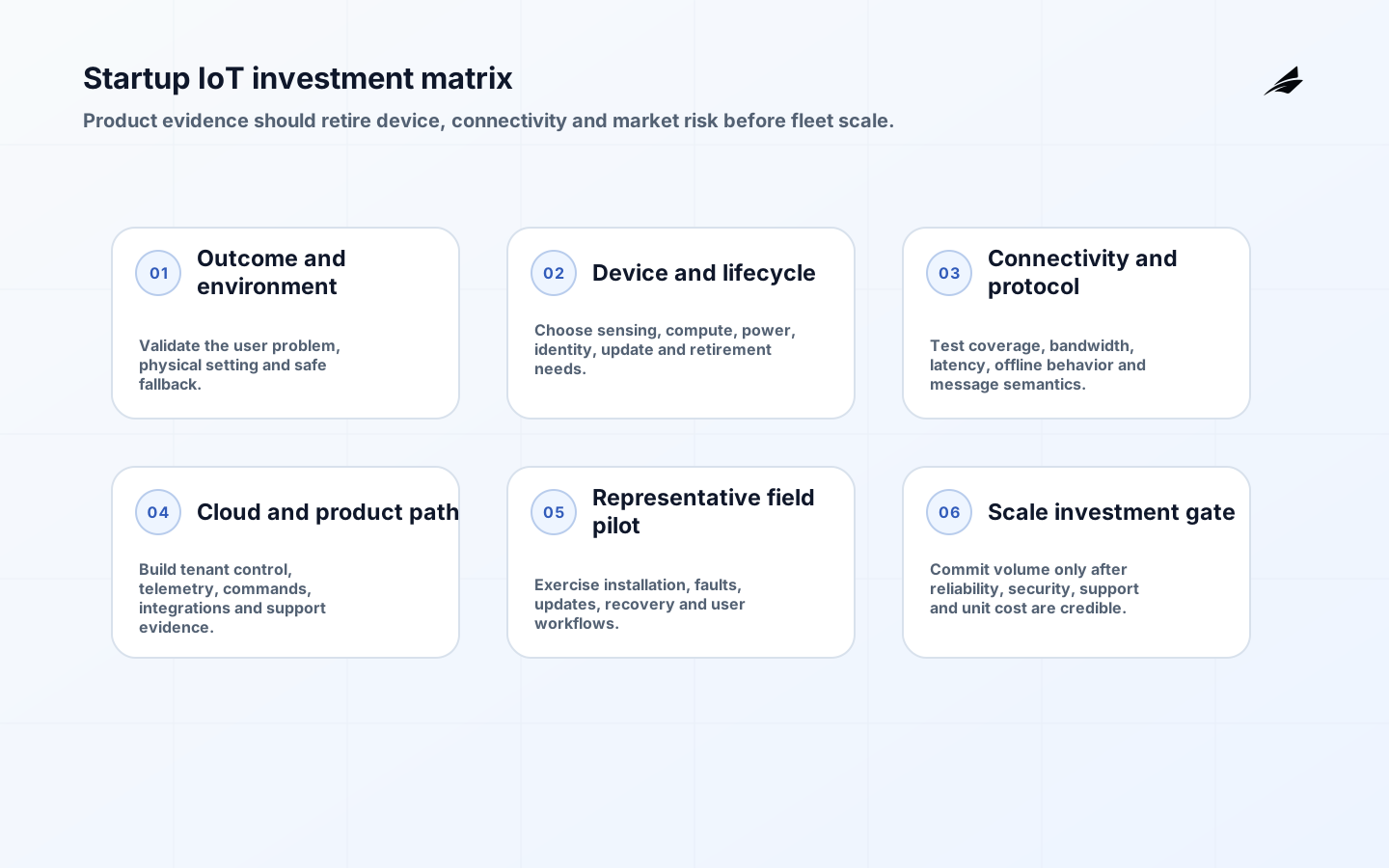
Choosing an IoT software development company for startups is a product investment decision, not a request for a mobile app and a dashboard. A connected product combines physical hardware, embedded software, identity, connectivity, cloud services, data, user applications and field support. A defect may require a truck visit rather than a web rollback. Scope and funding therefore need to cover the complete lifecycle from commissioning to secure retirement.
This guide helps founders turn a product hypothesis into a bounded delivery plan. Use it with the startup IoT implementation checklist and startup IoT FAQ. The central rule is simple: retire the most expensive uncertainty with the smallest representative field evidence before ordering hardware volume or promising a broad launch.
1. Scope the outcome and physical environment
Describe the user and operating problem without assuming connectivity is the answer. Observe installation, power, lighting, temperature, vibration, radio coverage, maintenance, safety and the action someone takes from the data. State what happens when sensing is wrong, the network is unavailable or the cloud cannot respond. For safety-related actions, preserve an appropriate local control or manual fallback and involve domain specialists in the hazard analysis.
Define the first complete journey: manufacture or provision a device, bind it to the correct customer, collect a valid reading, show an understandable state, trigger an authorized action, diagnose a fault, update software and decommission the device. List explicit exclusions. A pilot that demonstrates telemetry but omits enrollment, updates and support proves only a fraction of the product.
| Scope layer | Decisions for the first release | Evidence before expansion |
|---|---|---|
| Device | Sensors, compute, storage, power, secure identity and physical constraints | Bench tests across expected environmental range |
| Firmware | Boot, configuration, buffering, diagnostics, update and recovery | Interrupted-update and factory-reset tests |
| Connectivity | Network, gateway, protocol, offline window and data budget | Coverage and loss tests at representative sites |
| Cloud control plane | Registry, identity, telemetry, commands, rules, tenancy and retention | End-to-end trace and cross-tenant tests |
| Applications | Installer, customer and support journeys with role controls | Observed task completion by representative users |
| Lifecycle | Manufacture, ownership transfer, support, vulnerability response and retirement | Operational rehearsal and supplier commitments |
2. Choose an architecture that tolerates the field
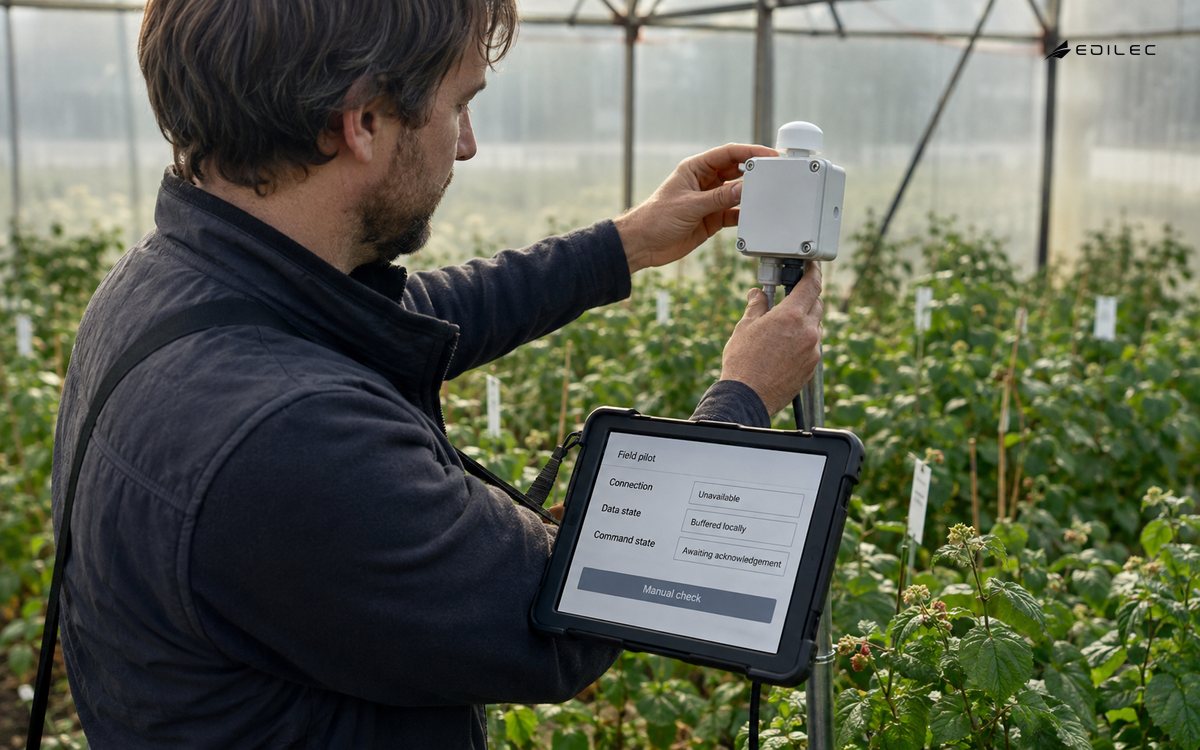
Partition responsibility between device, gateway, cloud and user application. Keep functions local when latency, safety, privacy or offline operation requires it. Give each device a unique identity and keep customer ownership separate from identity so transfer and replacement are possible. Buffer data with bounded storage, preserve timestamps and quality flags, and define conflict rules when delayed state returns. Commands need authorization, expiry, acknowledgement and idempotency so a retry does not repeat a physical action unexpectedly.
Connectivity and message contracts
Choose a protocol after testing network and product behavior. The OASIS MQTT 5.0 standard defines publish-subscribe semantics, quality-of-service levels, sessions and reason codes, but it does not define the business meaning of a message. Version payload schemas; include device, event time, sequence or deduplication data and quality; bound topic authorization; and test duplicates, reordering, loss, reconnect and clock error.
3. Design security and support across the product lifecycle
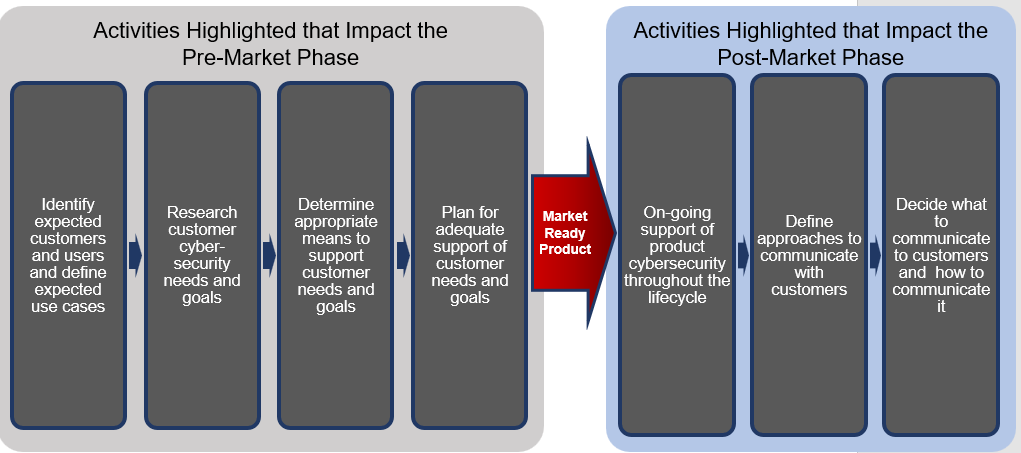
NIST IR 8259 Rev. 1, finalized in April 2026, places manufacturer activities before sale and across support: understand customer cybersecurity needs, establish requirements, plan implementation and communicate needed information. Use threat modeling to tailor requirements to the product and environment. Security cannot be added only in the cloud if devices share credentials, expose debug interfaces or cannot accept an authenticated update.
The NIST IoT device capability baseline covers device identification, configuration, data protection, logical access to interfaces, software update and cybersecurity-state awareness. The companion non-technical baseline covers documentation, receiving queries, disseminating information and education. Turn the applicable capabilities into product requirements, test cases, customer documentation and supplier obligations.
Protect device keys against extraction according to risk, authenticate both ends, encrypt sensitive traffic and stored data, disable or control debug access, and sign updates. Define a vulnerability intake route, supported-version policy, update cadence and end-of-support communication. Test update from every supported version, low battery, poor network, interrupted transfer and failed verification. A device must remain in a known safe state or recover through a documented process.
4. Build the delivery plan and cost model
Plan in evidence stages. Discovery verifies the field problem and constraints. A technical spike tests the riskiest device, radio or protocol assumption. An end-to-end alpha joins one device to the cloud and user journey. A field pilot tests representative environments, installers and support. Production readiness covers manufacturing, security, observability, recovery, documentation and supplier operations. Fleet expansion occurs only when acceptance thresholds are met.
| Cost area | Often underestimated work | Useful planning unit |
|---|---|---|
| Hardware and certification | Revisions, fixtures, compliance testing, spares and scrap | Landed cost per deployable device |
| Embedded delivery | Drivers, power tuning, diagnostics, boot and update recovery | Engineering cost per supported hardware profile |
| Connectivity | Provisioning, roaming, weak coverage, gateway and data plans | Monthly cost per active device or site |
| Cloud and data | Ingestion, storage, commands, observability, backups and egress | Cost per active device and message volume |
| Field operations | Installation, replacement, travel, training and returns | Cost per successful installation and incident |
| Lifecycle support | Vulnerability response, updates, supplier changes and retirement | Annual cost per supported device cohort |
A fixed quote is credible only for bounded work with known hardware and interfaces. For uncertain discovery, use time-boxed stages with decision outputs. Ask the development company to separate assumptions, third-party fees, hardware procurement, certification, cloud consumption, travel, warranty and post-launch support. Model low, expected and high fleet volumes. Unit economics should include failed installations, replacements, connectivity, support and cloud operations, not merely bill of materials.
5. Run a representative field pilot
Select sites that expose meaningful variation: network quality, environment, installer skill, customer role and legacy equipment. Freeze the device and software versions for each cohort. Record installation duration, first-connect success, data completeness, battery or power behavior, command success, update outcome, support contacts and manual workarounds. Preserve consent and privacy boundaries for telemetry. Do not hide pilot failures with engineering access customers will not have.
Inject failures intentionally: revoked credentials, wrong ownership claim, duplicate messages, delayed data, full buffer, unavailable cloud, corrupted configuration, interrupted update and replacement device. NIST SP 800-213 frames IoT device requirements in the context of organizational and system risk; the same approach helps a startup test how device capabilities support the deployed system, not just a laboratory checklist.
A useful pilot evidence pack contains the approved device profile, site conditions, installation checklist, firmware and cloud versions, identity history, telemetry quality, update results, incidents, support cases, user observations and unresolved exceptions. Compare these records by site and cohort rather than averaging them immediately. One installation that requires an engineer with a debug cable may reveal a launch-blocking dependency even when nine other installations are fast. Record whether every workaround can be performed by the intended operator with production permissions.
Set expansion thresholds before reviewing the results. Examples include first-connect success, bounded missing data, update recovery, support contacts per installation, battery range, cloud cost per active device and zero unresolved high-consequence security or safety findings. Thresholds are product-specific and should include confidence and exception rules. A founder can approve another learning cohort without declaring production readiness; separating those decisions keeps commercial pressure from converting an informative pilot into unsupported scale.
6. Select the company and control the handover
Choose a team with demonstrated embedded, cloud, application, security and field-operating depth appropriate to the product. Ask who owns architecture, firmware signing, device credentials, cloud accounts, source, manufacturing tools and support data. Review a proposed failure test and a prior handover artifact. Product partnerships can help, but recommendations should expose portability, commercial commitments and exit implications.
Keep source, build definitions, signing procedures, schemas, infrastructure code, test fixtures, device registry and operational evidence under startup control. Maintain a bill of materials for hardware and software, approved supplier alternatives and reproducible builds where feasible. Before final acceptance, startup staff should commission, update, diagnose, replace and retire devices using production roles. The finance IoT planning guide illustrates stricter transaction and audit concerns, while the ecommerce IoT guide covers retail integration patterns.
Key takeaways
- Scope one complete lifecycle journey, not only telemetry and a dashboard.
- Place functions according to physical risk, latency, privacy and offline needs.
- Make identity, update, diagnostics and support requirements part of the first architecture.
- Estimate landed device, connectivity, cloud, field and lifecycle costs together.
- Use representative sites and injected failures to test the product before fleet scale.
- Retain control of source, credentials, build evidence, registries and supplier exit.
Startup IoT development FAQ
How much does an IoT minimum viable product cost? There is no defensible universal figure. Cost depends on custom hardware, certification, firmware, connectivity, applications, data, security and field work. Fund the smallest end-to-end experiment that tests the largest commercial or technical uncertainty.
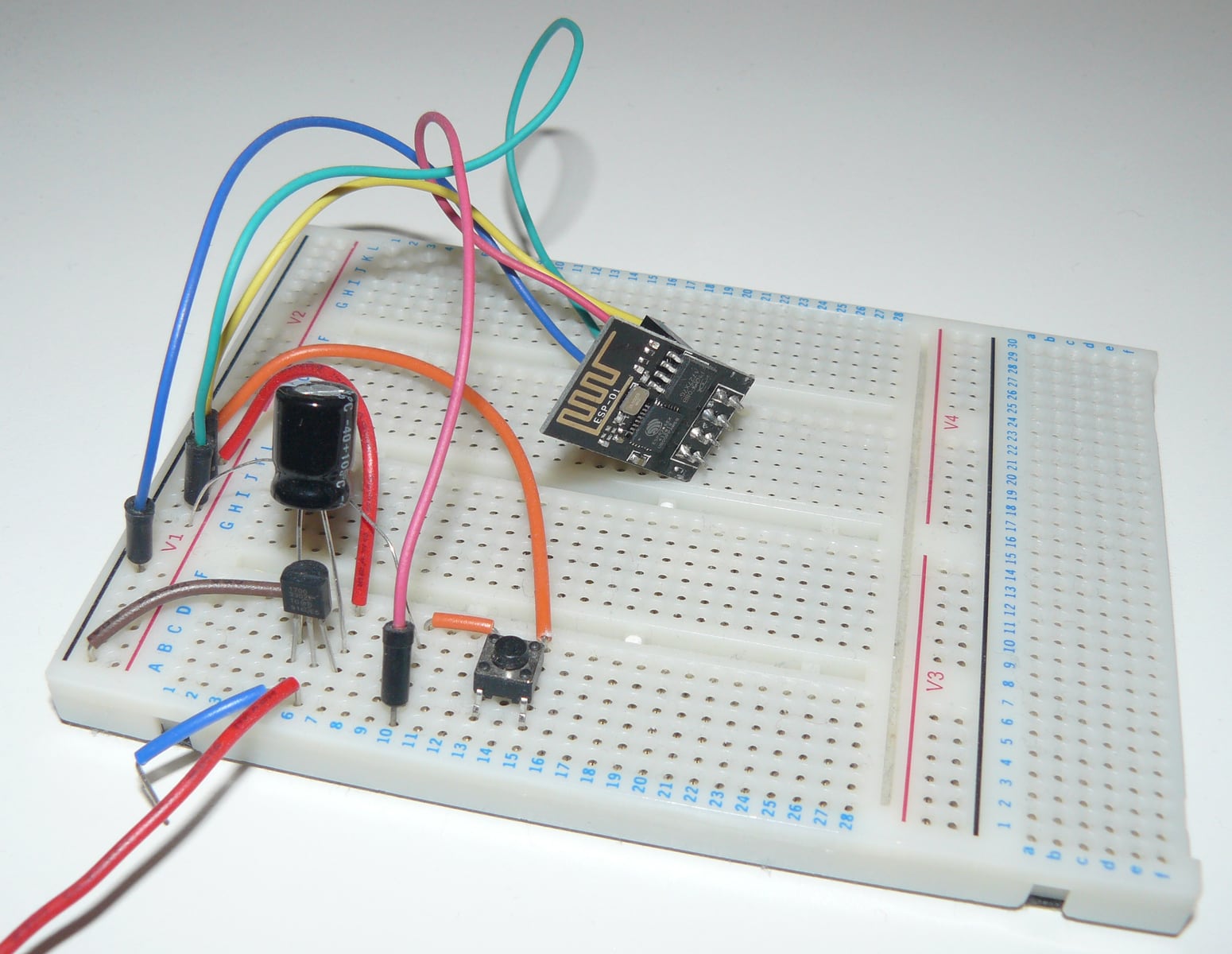
Should a startup build custom hardware first? Only when the product outcome depends on capabilities an existing module or reference device cannot provide. Off-the-shelf hardware can reduce early lead time, but its update, support and supply constraints still require review.
How many devices belong in a pilot? Enough to represent meaningful environments and lifecycle events, not a number chosen for appearance. A smaller, deliberately varied cohort often produces better evidence than many identical devices in one friendly site.
Who owns device security after launch? The manufacturer and service operator retain product responsibilities, while customers also control deployment and access. Contracts must assign vulnerability response, update delivery, communication, monitoring and end-of-support duties explicitly.
Conclusion: scale evidence before fleet volume
An IoT software development company for startups should help founders turn physical-world uncertainty into testable product decisions. Build one complete lifecycle, secure and observe it, operate it in representative conditions, model the true unit cost and commit to scale only when the evidence supports the next investment.