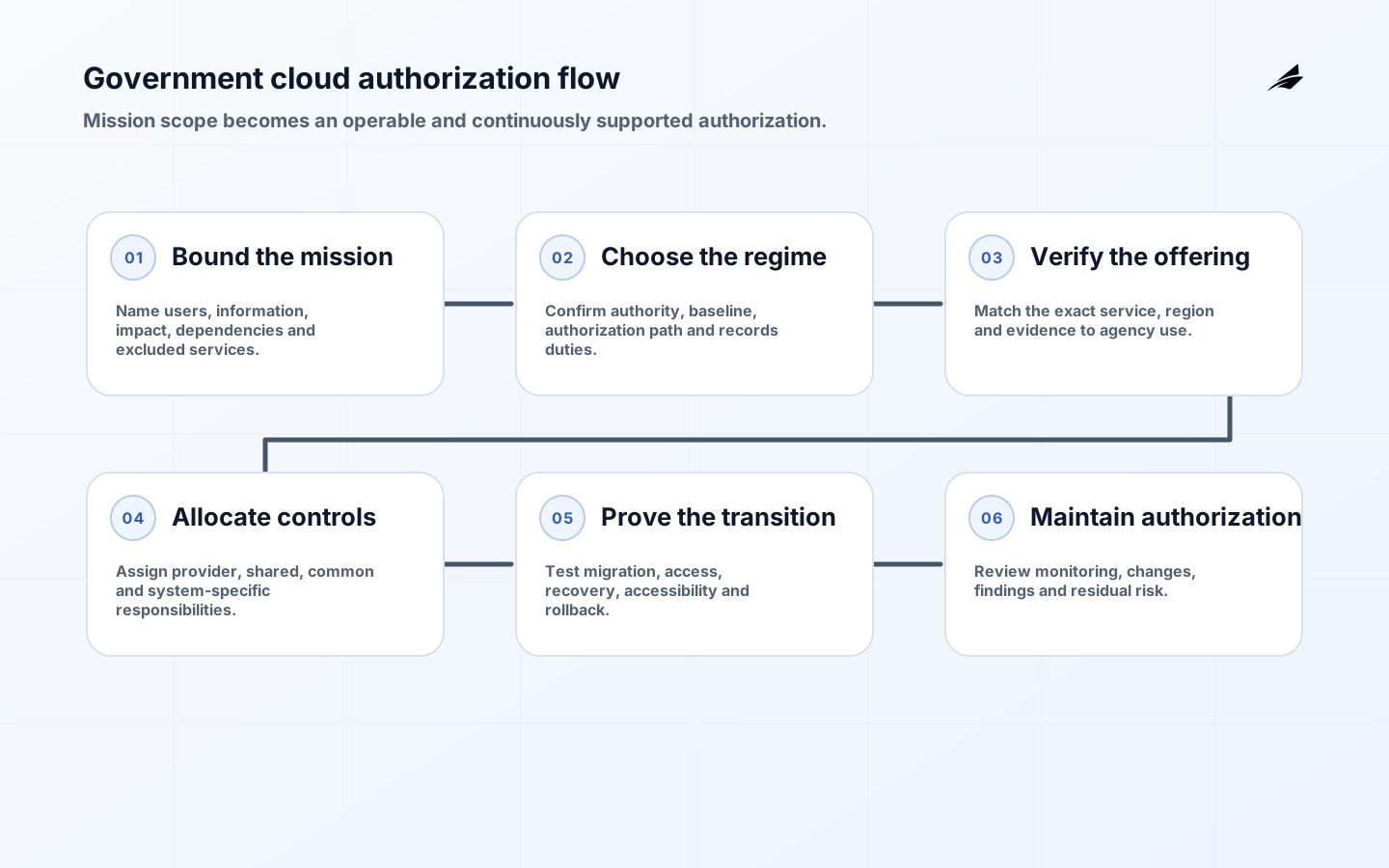
A government cloud services implementation checklist should end with an information system that a public authority can explain, authorize, operate and recover. Reusable cloud assurance can shorten assessment, but it cannot choose the agency mission boundary, interpret statutory duties or accept residual risk. The implementation team therefore has to connect cloud configuration with public-service continuity, privacy, records, accessibility and accountable decision rights.
This guide uses current US federal material because it provides concrete control and evidence patterns. The NIST definition of cloud computing clarifies service models; NIST SP 800-53 Revision 5 supplies a control catalog; the FedRAMP scope rules and Marketplace support offering-level diligence. Other jurisdictions require their own legal, procurement and risk interpretation.
Start with the government cloud delivery plan to frame investment and supplier scope. Use the government cloud FAQ for authorization questions and the professional services checklist when an external team will design or migrate the environment. These resources address related decisions without replacing the system owner or authorizing official.
Define the mission service and system boundary
Describe the public outcome before listing cloud components. Identify the people served, staff roles, assisted channels, critical transactions, expected operating hours and minimum service during disruption. Trace the information needed for each transaction through applications, interfaces, analytics, identity providers and external partners. A boundary diagram should show where federal or otherwise protected information enters, persists, leaves and appears in operational telemetry.
Classify information and impact using the authority's approved method. Record data residency, encryption, personnel, accessibility, retention, recovery and notification constraints beside the relevant information types. Include build systems, support tools, administrator workstations and integration services when they can affect production confidentiality, integrity or availability. Explicit exclusions need an owner and rationale; a blank area on an architecture diagram is not a defensible exclusion.
| Boundary decision | Evidence to collect | Acceptance question | Owner |
|---|---|---|---|
| Mission transaction | Journey map and service baseline | Can the public outcome complete during normal and degraded operation? | Service owner |
| Information flow | Data inventory and interface map | Are collection, sharing, retention and deletion lawful and understood? | Data owner |
| Technical boundary | Component and dependency inventory | Are all components that can affect the service assessed? | System owner |
| External dependency | Contract, assurance and fallback | Can the agency respond if the dependency is unavailable or changes? | Supplier owner |
Confirm the authorization and compliance path
Do not use “FedRAMP required” as a substitute for applicability analysis. For US federal use, determine whether the cloud service and information fall within current FedRAMP scope, then identify the agency authorization route and impact baseline. State, local, tribal and territorial bodies may choose FedRAMP evidence through policy, grant or procurement terms, but their governing obligations and risk decisions remain separate. Non-US public bodies need an equivalent authority-specific matrix.

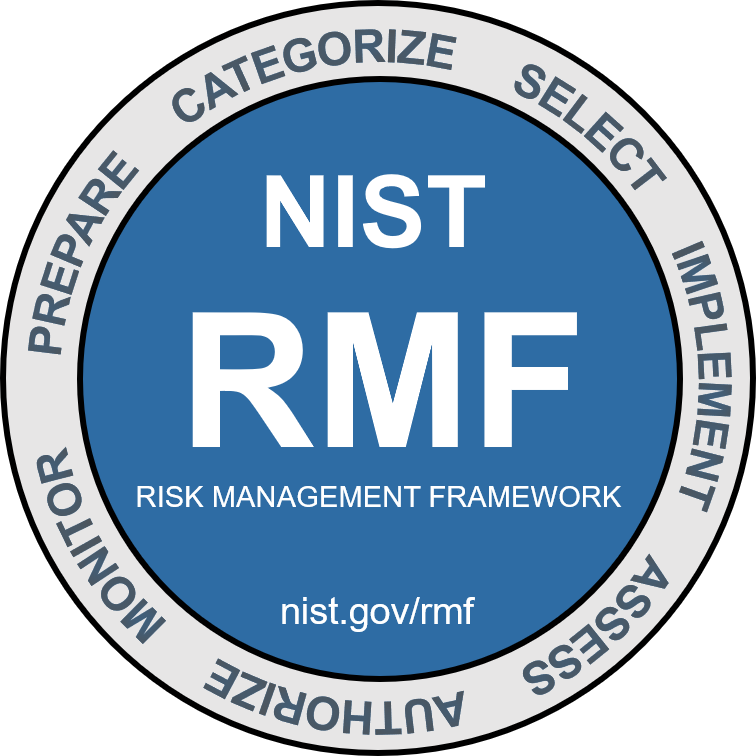
Build one requirements register that names the source, applicability decision, implementation party, assessment method, evidence location and approval role. Cover security, privacy, accessibility, records, acquisition, continuity and incident reporting. Resolve contradictions before configuration begins. If a records schedule requires preservation while a privacy rule limits retention, the responsible officials should document the lawful interpretation rather than leaving an engineer to infer it during deletion work.
Verify the exact cloud offering and evidence
Confirm the exact provider service, authorization boundary, deployment model, regions and status in the FedRAMP Marketplace. Review what the authorization includes, inherited controls, open findings, customer responsibilities and evidence access. Product names are not sufficient because commercial, government and sovereign offerings can differ in features, operations, personnel and release timing. Contract language should name the offering actually evaluated.
Assess mission fit independently from assurance status. Test identity federation, privileged access, key management, audit export, service quotas, backup restoration, accessibility, support escalation, data return and secure deletion. Ask how the provider communicates significant changes and vulnerabilities. A technically capable service may still be unsuitable if the agency cannot obtain timely evidence, operate a required integration or exit without unacceptable records loss.
Allocate controls and engineer the cloud foundation
For every applicable control, distinguish provider implementation, agency implementation, shared activity and common organizational service. Record parameters, responsible roles, inherited evidence, system-specific procedures, test method and remediation route. This prevents broad statements such as “logging is inherited” from hiding agency duties for log selection, retention, alert ownership and investigation. The control narrative should describe the deployed system, not a generic reference architecture.
Create the foundation through governed accounts, federated identity, least privilege, protected emergency access, centralized audit collection, approved network paths, encryption, configuration policy and recovery services. Provision through reviewed automation where practical, but retain evidence that policy works. Test a prohibited region, excessive privilege, missing log destination and unencrypted resource. A policy file is only design evidence until an attempted violation is blocked or detected.
| Foundation capability | Agency duty | Provider material | Proof before production |
|---|---|---|---|
| Identity | Approve roles, lifecycle and emergency access | Authentication and access-control features | Joiner, privilege, revocation and break-glass tests |
| Audit | Choose events, retention and response ownership | Service audit streams and integrity features | End-to-end event search and alert exercise |
| Data protection | Classify data and control keys and exports | Encryption and key-management capabilities | Access, rotation, backup and deletion evidence |
| Recovery | Set service objectives and restoration order | Availability and backup mechanisms | Isolated restore with business reconciliation |
Apply zero trust to mission transactions
Zero trust is a decision model, not a perimeter product. For each request, establish the subject, resource, action and context that influence authorization. Separate workforce, contractor, workload and public identities; protect service-to-service credentials; and minimize standing administrative access. CISA's federal cloud and zero-trust resources can structure the review, but the agency must define policy for its mission.
Test authorization at the transaction boundary. A user who can view a case may not be allowed to export it; a support operator may correct contact details without changing eligibility; an automation identity may read a queue but not alter the authoritative record. Capture denied requests, unusual privilege use and policy changes in protected audit trails. Evaluate failure behavior when identity, device or policy services are degraded so recovery does not create an uncontrolled bypass.
Design accessibility, privacy and records into delivery
Test complete journeys with people who use assistive technology, including sign-in, timeout handling, document upload, generated notices, status messages and third-party components. Procurement conformance statements do not prove the configured service is usable. Accessibility defects should enter the same release and acceptance process as security and reliability defects, with owners, severity and retest evidence.
Document purpose, authority, minimization, sharing, correction, retention and disposal for personal information. Keep privacy analysis connected to records management without collapsing the two disciplines. Preserve record content, metadata and legal holds where required; restrict unnecessary copies and diagnostic data; and verify export readability. Incident exercises should include privacy, records, communications and service teams because a technically contained event may still trigger public obligations.
Migrate through evidence-based gates
- Inventory records, interfaces, identities, retention metadata and unresolved quality issues.
- Prove the landing zone with a representative low-consequence service before scaling.
- Rehearse migration, reconciliation, rollback and stakeholder communication.
- Validate accessibility, authorization, monitoring and recovery with production-scale data.
- Move bounded cohorts and retain source evidence until formal acceptance.
- Decommission only after records, contracts, access and recovery dependencies are resolved.
Reconcile business meaning, not just byte counts. Compare case state, financial totals, document associations, permissions and audit history after each migration wave. Define who can stop a cutover and what evidence supports that decision. When rollback is impossible because the new system has accepted public transactions, use a forward-recovery plan that preserves transaction identity and prevents duplicate or lost actions.
Operate authorization as a continuing decision
Authorization must follow the changing service. FedRAMP's Collaborative Continuous Monitoring guidance describes shared ongoing information for participating providers and agencies. The agency should integrate provider reports with its own control monitoring, incident evidence, configuration drift, exceptions and mission health. Review should result in accepted risk, corrective work, additional assessment or a constrained service decision.
Maintain an inventory of services, regions, versions, owners and dependencies. Route provider notices to people who can assess mission impact, not only to a procurement mailbox. Define significant-change thresholds for architecture, identity, data flows and suppliers. Exercise response to a compromised credential, inaccessible region, failed restore and provider feature retirement. Evidence from those scenarios should update control narratives, runbooks, training and investment priorities.
Key takeaways
- Start with a public-service outcome and explicit information boundary.
- Determine the governing regime before selecting controls or contract language.
- Verify the exact cloud offering, region and evidence package.
- Allocate every control activity and test the agency-owned foundation.
- Include accessibility, privacy, records and recovery in acceptance.
- Keep authorization current through monitoring, exercises and change review.
Frequently asked questions
Does a state or local government need FedRAMP?
FedRAMP governs covered US federal cloud use. A state or local authority may require or reuse FedRAMP evidence through its own policy or procurement, but it still needs an applicability, legal and risk decision for the service it operates. Confirm the controlling requirements rather than assuming federal scope automatically applies.
Is an authorized cloud service automatically suitable?
No. Authorization applies to a defined offering and assurance boundary. The customer must still assess workload fit, configure its controls, protect applications and data, monitor use and accept residual risk. Verify the exact regions and services because a similarly branded commercial feature may sit outside the evaluated boundary.
Should government resilience require multiple clouds?
Only when mission analysis shows the extra platform, identity, data, skill and authorization burden reduces a material risk. Many services gain more from tested regional recovery, portable data and documented exit paths. Resilience should be demonstrated through scenarios and reconciliation, not inferred from the number of providers.
Conclusion
Government cloud services become authorizable operations when reusable provider assurance is joined to agency-specific mission ownership. Define the information system precisely, choose the correct regime, allocate controls, prove migration and recovery, and keep evidence current as the service changes. That discipline supports both faster cloud adoption and defensible public accountability.